
"mixed race"
600 article(s) found

Colombian coffee beans have unique charm, flavor, geographical environment, variety and grade introduction as well as unique coffee culture.
Colombia is one of the few coffee beans named by countries in the world, and its quality has been recognized by all sides of the world. Compared with other coffee countries, Colombia pays more attention to product quality and production, and is the second largest producer of Arabica coffee beans in the world. Because of its unique geographical environment, Colombia deals with low latitudes and high seas.

What is the charm of individual coffee? Why are all coffee shops selling "single coffee"?
For the exchange of professional baristas, please follow the coffee workshop (Wechat official account cafe_style) to introduce the so-called Single Origin. But why do we need to know the term? Because he shows up too often! Even many coffee shops have taken this as a fad. In recent years, they have added the option of individual coffee to the menu, and usually the clerk will ask you for it after you order it.

The boutique coffee production region of El Salvador introduces Santa Ana in the west and Charantanan fruit in the northwest.
El Salvador boutique coffee is concentrated in the volcanic rock producing areas of Santa Ana in the west and Charantanan fruit in the northwest. In recent years, the top 10 cup tests are almost entirely from these two producing areas, with an altitude of about 9-1500 meters, mainly bourbon (68%). Followed by Pacas (29%), mixed-race Pakamara, Dulaai and Kaddura accounted for only 3%. The coffee harvest season has been held since November.

Salvadoran coffee with a slightly sour taste Taste Manor Features Fine coffee Introduction
Salvadoran fine coffee is concentrated in Santa Ana in the west and Charantan Nango volcanic rock producing areas in the northwest. In recent years, almost all of the top 10 cup tests come from these two producing areas, with an altitude of about 900-1500 meters. Bourbon is the main one (accounting for 68%), followed by Pacas (accounting for 29%), and mixed Pacamara, Duraai and Cadura only account for 3%. Coffee harvest season lasts from November
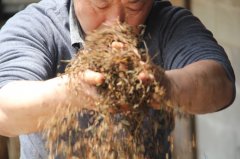
Ten kinds of tea that beginners must taste introduction to the taste characteristics of six representative teas
For a first-time tea drinker who is about to explore Chinese tea, hundreds of Chinese teas are undoubtedly overwhelming. In this article, we will introduce the 10 most popular Chinese teas. These will be a good starting point for your Chinese tea trip. In addition, the following teas will cover all six major teas (white, green,

Brief introduction of the Grinding scale Price and planting Environment of Pacamara Coffee beans in El Salvador
Brief introduction of El Salvador Pacamara Coffee Bean Grinding scale Price planting Environment brief introduction of El Salvador Fine Coffee production area; El Salvador boutique coffee is concentrated in the volcanic rock producing areas of Santa Ana in the west and Charantanan fruit in the northwest. The top 10 cup tests in recent years almost all come from these two producing areas, with an altitude of about 9-1500 meters above sea level, mainly bourbon (68%), followed by Pacas (29%), mixed race

How do Salvadoran coffee beans taste?
El Salvador boutique coffee is concentrated in the volcanic rock producing areas of Santa Ana in the west and Charantanan fruit in the northwest. In recent years, the top 10 cup tests are almost entirely from these two producing areas, with an altitude of about 9-1500 meters, mainly bourbon (68%). Followed by Pacas (29%), mixed-race Pakamara, Dulaai and Kaddura accounted for only 3%. The coffee harvest season has been held since November.

Introduction of Cooperative processing Plant of Colombian Coffee producers Association
The cooperative processing plant of the Colombian Coffee producers Association introduced a new breed of coffee with the same name as Colombia. [Colombia] is a mixed-race coffee developed in the 1980s, with Kaddura and Timo ancestry, that is, the notorious Kadim, but [FNC] insists that although Colombia is a direct descendant of Kadim, its flavor is far more elegant than that of ordinary Cartim, because Colombia has been with Elaraby for many generations.

Flavor description of Brazilian Arabica Bourbon Coffee Bean
Arabica Bourbon Coffee Bean Flavor description treatment Arabica intraspecific Hybridization 1. New World (Mundo Novo): a natural hybrid of Bourbon and Sumatra iron pickup, first found in Brazil, is regarded as the new hope of the Brazilian coffee industry, so it is named the New World species. two。 Catuai: a hybrid of New World and Kaddura, bearing solid fruit

Soft, slightly sour Salvadoran coffee beans with beautiful sweetness
El Salvador boutique coffee is concentrated in the volcanic rock producing areas of Santa Ana in the west and Charantanan fruit in the northwest. In recent years, the top 10 cup tests are almost entirely from these two producing areas, with an altitude of about 9-1500 meters, mainly bourbon (68%). Followed by Pacas (29%), mixed-race Pakamara, Dulaai and Kaddura accounted for only 3%. The coffee harvest season has been held since November.

Climatic characteristics of coffee producing areas in El Salvador
On the whole, Salvadoran coffee inherits the mild quality of Sino-American coffee, which is soft, slightly sour and has beautiful sweetness. At the same time, it also has its own characteristics: the aromatic taste is slightly sour and very soft; it is pure and has no miscellaneous flavor, and the taste balance is excellent; the smooth feeling like cream chocolate is impressive; the dense feeling of the coffee in the mouth gives the coffee depth.

Introduction of Salvadoran Coffee Bean characteristics and Flavor description
El Salvador coffee bean characteristics, flavor description, taste treatment variety introduction El Salvador boutique coffee is concentrated in the volcanic rock producing areas of Santa Ana in the west and Charantanan fruit in the northwest, and the top 10 cup tests in recent years almost all come from these two producing areas. 9-1500 meters above sea level, mainly bourbon (68%), followed by Pacas (29%), mixed-race Pacama
Boutique coffee beans blue mountains Geisha rosy summer
It begins with a passage from teacher Han Huaizong's "Fine Coffee Studies": coffee varieties from Ethiopia and Yemen in the old world were transplanted to the Central and South American promised land in the new world, and took root, giving rise to many new varieties of mixed-race domestication. Among them, the most legendary color, the most beautiful taste spectrum, the cup test competition in the world won the most awards, the highest price, when the Panamanian green top pointed body Geisha; 2004

Description of Grinding scale Flavor of Pacamara Coffee beans in El Salvador
El Salvador Pacamara Coffee Bean Flavor description of Grinding scale Flavor processing French production area introduction of El Salvador mixed race Pacamara showing off in coe, many international cup surveyors were confused and did not know how to grade it. I never expected that this hybrid bean not only broke the existing aroma and mellow boundary of coffee, but also expanded the visibility (Pacamara) coffee of El Salvador coffee.
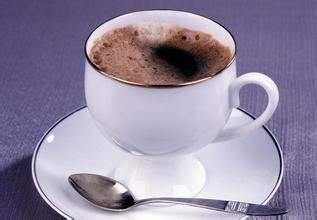
Introduction of Salvadoran coffee producing areas with a slightly sour aroma
Don't underestimate El Salvador's coffee production. In its heyday, it was once the fourth largest coffee producer in the world, but decades of civil war almost dragged down the coffee industry. fortunately, the war has stopped in recent years, and the coffee industry has come back to life. The only benefit that the civil war brought to the country of El Salvador was that the farmers left their fields barren and failed to catch up with the most popular Katimo sun-exposed cultivation train in the past two decades.
Boutique Coffee beans Blue Mountains Geisha Rose Summer introduction
It begins with a passage from teacher Han Huaizong's "Fine Coffee Studies": coffee varieties from Ethiopia and Yemen in the old world were transplanted to the Central and South American promised land in the new world, and took root, giving rise to many new varieties of mixed-race domestication. Among them, the most legendary color, the most beautiful taste spectrum, the cup test competition in the world won the most awards, the highest price, when the Panamanian green top pointed body Geisha; 2004

Long aftertaste of Salvadoran coffee taste the characteristics of the manor area introduce the boutique of El Salvador
El Salvador boutique coffee is concentrated in the volcanic rock producing areas of Santa Ana in the west and Charantanan fruit in the northwest. In recent years, the top 10 cup tests are almost entirely from these two producing areas, with an altitude of about 9-1500 meters, mainly bourbon (68%). Followed by Pacas (29%), mixed-race Pakamara, Dulaai and Kaddura accounted for only 3%. The coffee harvest season has been held since November.

Yunnan Tieka Coffee Bean Flavor description treatment method Taste Grinding scale Fine Coffee introduction
Yunnan Tieka Coffee Bean Flavor description treatment method taste grinding scale boutique coffee 1. Timor: a hybrid of Arabica, Baba and Robasta found in East Timor. two。 Catimor: currently the main variety of commercial beans, East Timor was colonized by Portugal for 400 years. In 1959, the Portuguese transplanted the Brazilian bourbon variety Kaddura to East Timor and

Introduction to Mercedes Manor in El Salvador Coffee Manor
Savanna climate. The plain area belongs to the tropical rain forest climate and the mountain area belongs to the subtropical forest climate. The average annual temperature is 25-28 ℃. The annual precipitation is more than 1800 mm in mountain areas and about 1000 mm in coastal areas. The rainy season is from May to October. Don't underestimate El Salvador's coffee production. In its heyday, it was the world's fourth largest coffee producer, but decades of civil war almost dragged down coffee

El Salvador boutique coffee producing area Sonsonate province IzaIco region Santa Ana volcano region library
El Salvador boutique coffee is concentrated in the volcanic rock producing areas of Santa Ana in the west and Charantanan fruit in the northwest. In recent years, the top 10 cup tests are almost entirely from these two producing areas, with an altitude of about 9-1500 meters, mainly bourbon (68%). Followed by Pacas (29%), mixed-race Pakamara, Dulaai and Kaddura accounted for only 3%. The coffee harvest season has been held since November.